FAQ
The Bellini BBL Pillow
Frequently Asked Questions
1. What is a BBL pillow, and why is it used after surgery?
A BBL pillow is a post-surgery recovery cushion designed to reduce direct pressure on the buttocks after a Brazilian Butt Lift (BBL). By supporting your thighs while sitting, a BBL pillow helps minimize pressure on newly transferred fat cells during recovery. Always follow your surgeon's instructions about when and how long you can sit after surgery.
2.How soon after surgery can I start using a BBL pillow?
Always follow your surgeon’s specific post-op instructions, You should only begin using a BBL pillow like The Bellini only when your surgeon has cleared you to sit with appropriate support.
3. How long should I use a BBL pillow after surgery?
The length of time you'll need a BBL pillow depends on your surgeon's recovery protocol and your individual healing process. Many surgeons recommend limiting direct pressure on the buttocks for several weeks following a Brazilian Butt Lift (BBL). A BBL pillow can help support your thighs while reducing pressure on the surgical area when your surgeon permits sitting.
4.How do I choose the right BBL pillow for recovery?
When choosing a BBL pillow, consider its size, firmness, stability, and overall support, look for a pillow that supports your thighs while minimizing direct pressure on the buttocks. Features such as supportive foam, a non-slip base, and a portable design may improve comfort during recovery. Your surgeon's recommendations should guide your choice.
5. Why are some BBL pillows uncomfortable?
Not all BBL pillows provide the same level of support. Pillows that are too narrow, too soft, or poorly positioned may create uncomfortable pressure on the thighs or fail to provide adequate stability. Proper firmness, sufficient surface area, and appropriate positioning can make a difference in comfort. However, no pillow can guarantee complete pressure relief or eliminate the need to follow your surgeon's sitting restrictions.
6. Can I travel with a BBL pillow after surgery?
A BBL pillow can provide thigh support while traveling by car or airplane, helping reduce direct pressure on the buttocks. Choose a portable, supportive pillow that fits your seat and remains stable throughout your journey. Always obtain your surgeon's clearance before traveling, particularly when flying, as prolonged sitting and reduced mobility can increase the risk of blood clots after surgery.
7. Can I drive with a BBL pillow after surgery?
A BBL pillow may help reduce direct pressure on your buttocks while driving, but you should only resume driving once your surgeon has cleared you. You must also be off medications that impair driving and be able to brake suddenly, turn comfortably, and operate your vehicle safely. A BBL pillow does not replace your surgeon's post-operative sitting restrictions.
8. Where can I purchase a high-quality BBL pillow?
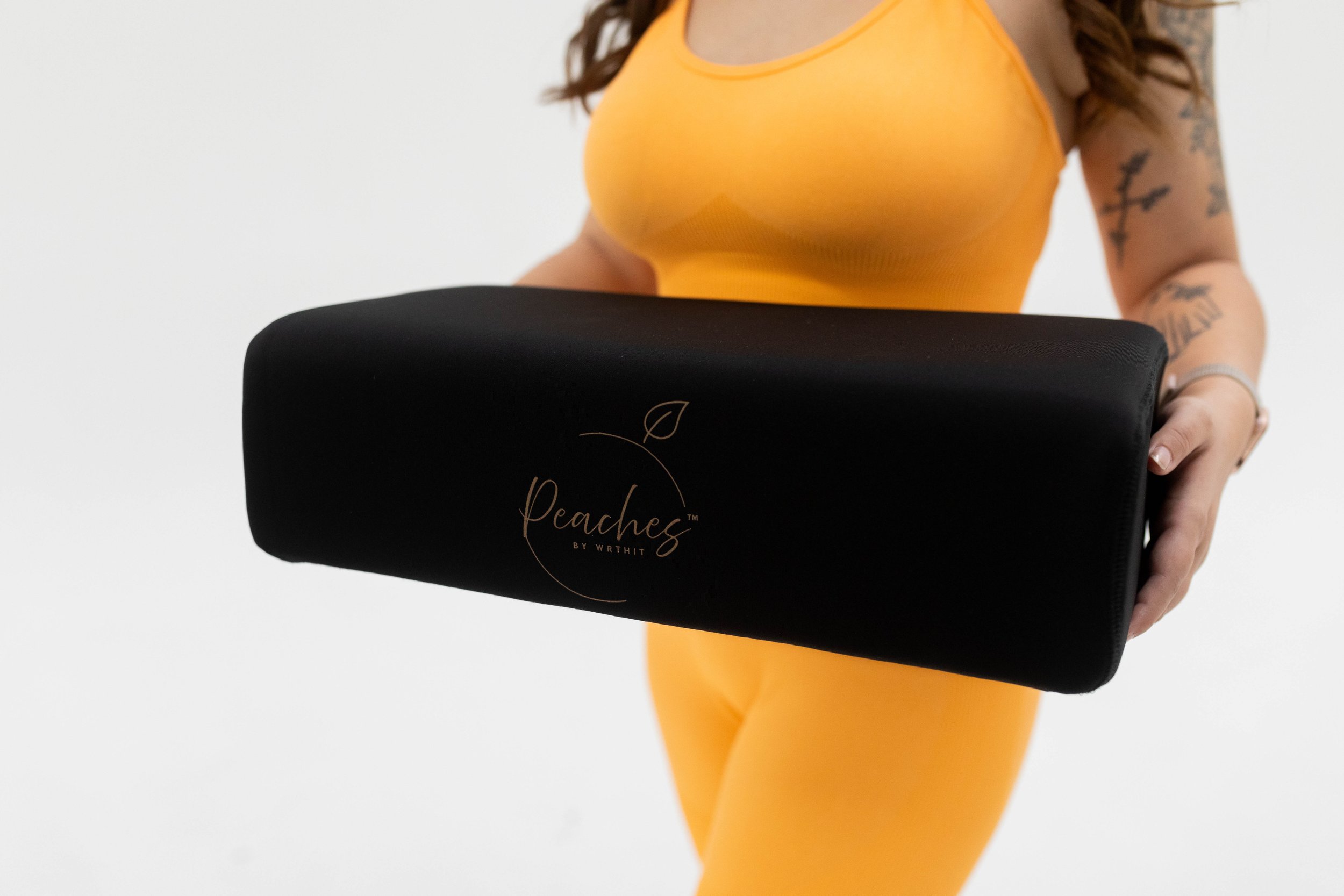
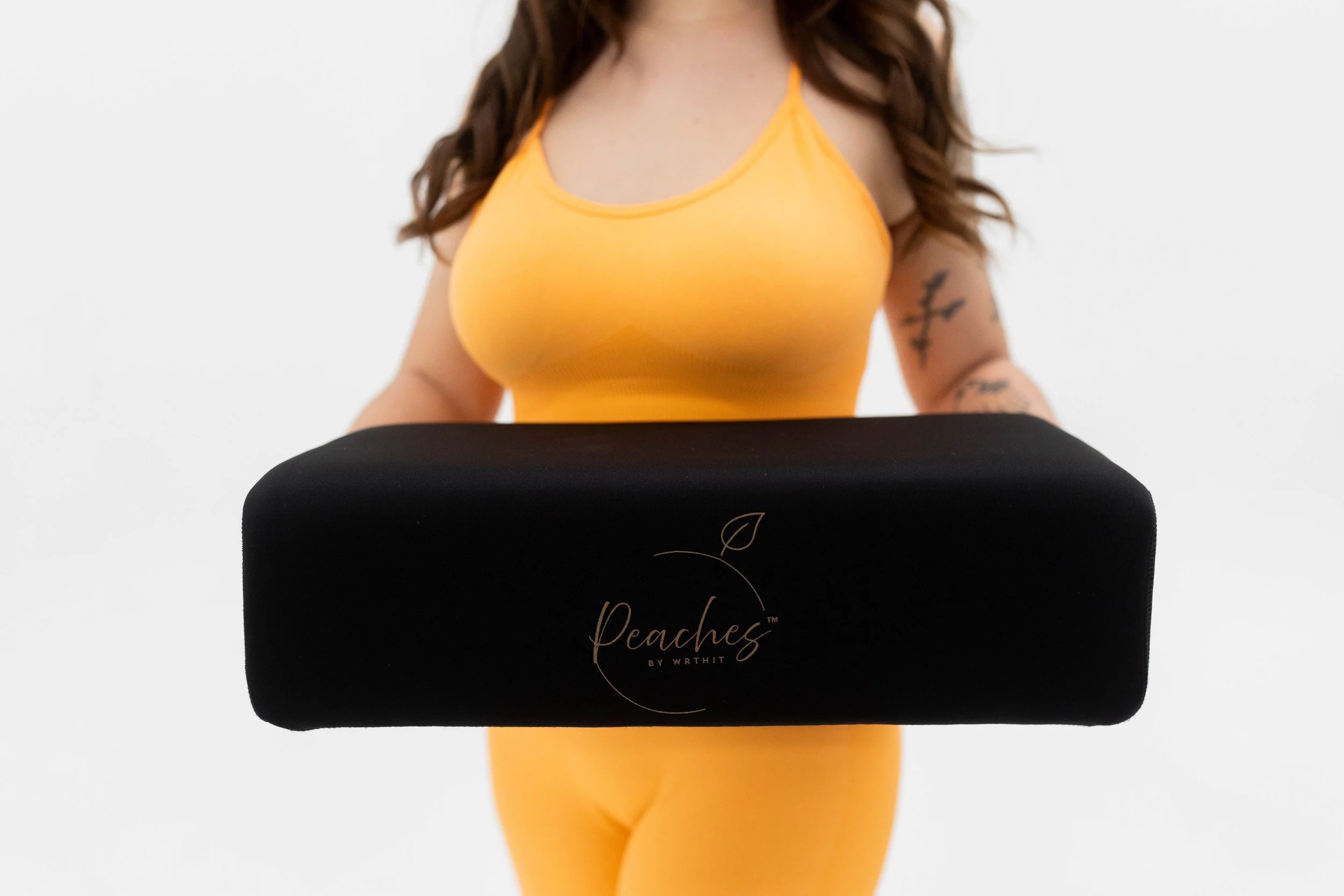
When shopping for a BBL pillow, look for supportive materials, a stable design, and features that accommodate your recovery needs. Peaches by Wrthit offers The Bellini™, a therapist-designed BBL pillow featuring supportive foam, cooling gel memory foam, and a non-slip base. Its portable design makes it convenient for travel and everyday use when sitting is permitted by your surgeon.
9. How do you sit on a BBL pillow correctly?
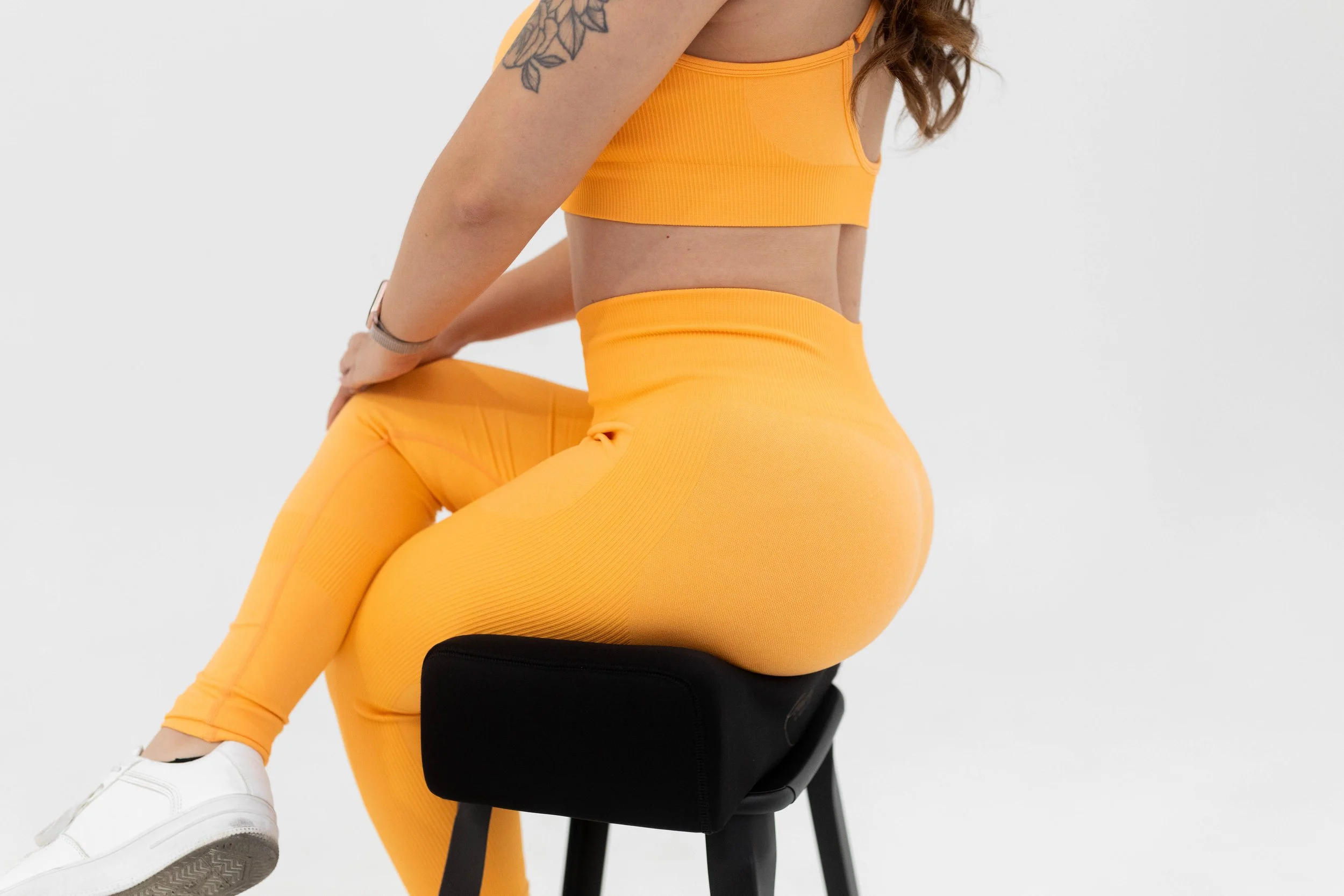
To sit on a BBL pillow correctly, position the pillow beneath your thighs so your buttocks remain elevated and direct pressure on the surgical area is minimized. Keep your feet supported and maintain a comfortable, stable position. Always follow your surgeon's instructions regarding sitting restrictions and how long you can remain seated during BBL recovery.
10. Does a BBL pillow protect transferred fat after surgery?
A BBL pillow is designed to reduce direct pressure on the buttocks by supporting your thighs while sitting. Minimizing pressure on the surgical area is an important part of many surgeons' post-operative recommendations. However, a BBL pillow cannot guarantee fat graft survival or prevent fat loss. Your final results depend on several factors, including surgical technique, blood supply, individual healing and adherence to your surgeon's recovery instructions. Learn more about fat graft survival