
Two Foundations of Healthy BBL Recovery- Hydration and Intentional Movement
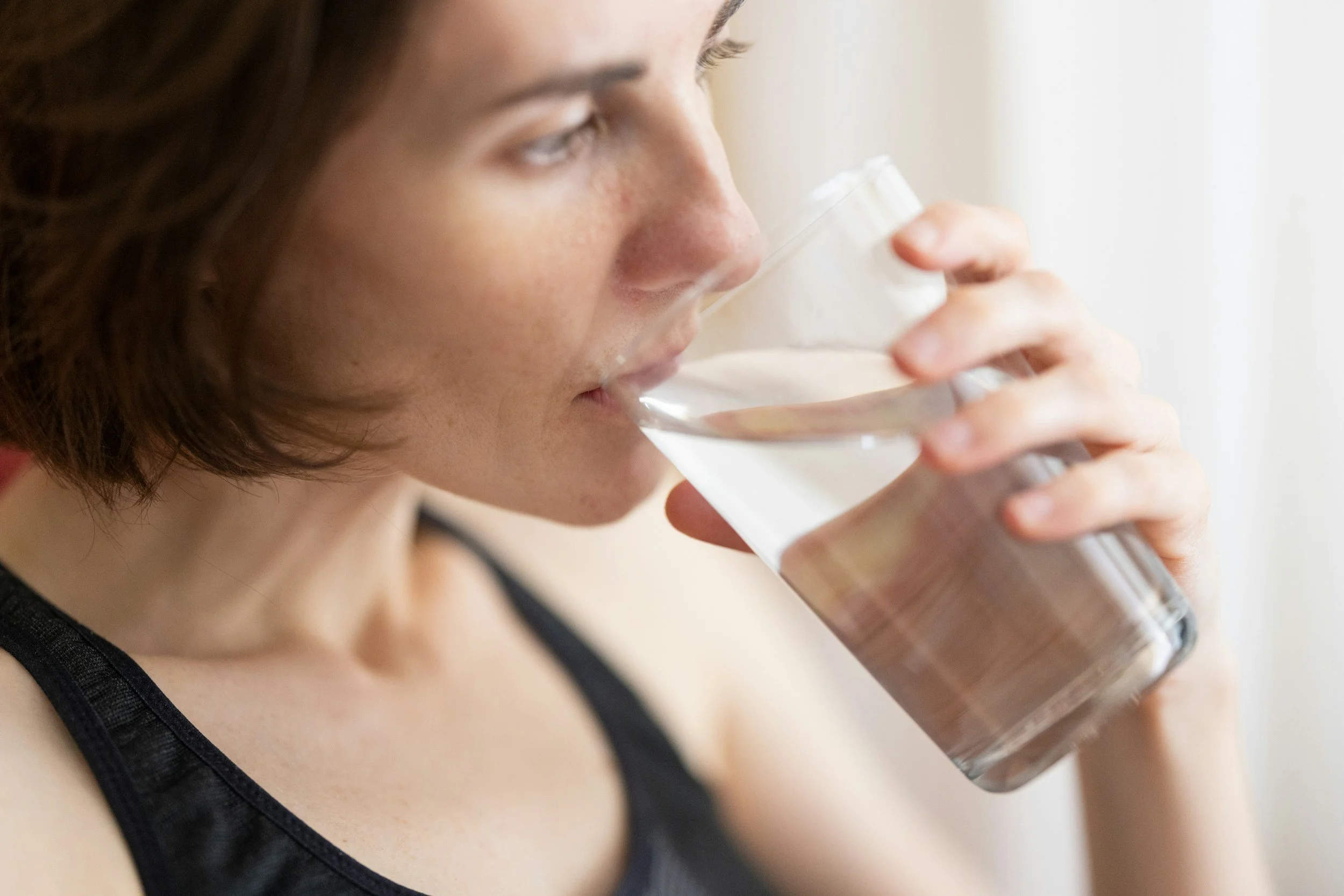
Drinking plenty of water helps your lymphatic system when your body is recovering from BBL surgery
Recovering after a Brazilian Butt Lift (BBL) is more than following a surgeon’s timeline — it’s an active process that engages the body’s natural healing mechanisms. In the early stages of post-operative recovery, managing swelling, fluid balance, and circulation are essential components of how your body restores equilibrium after surgery. Two daily habits that make a measurable difference in these processes are staying well-hydrated and incorporating intentional, gentle movement into your day.
These elements are not optional “nice-to-haves.” They are grounded in how lymphatic and circulatory systems function and how soft tissues respond to rest and activity during recovery. Understanding them can help you support your own healing with clarity and confidence.
The Critical Role of Hydration in Post-Surgery Healing
Water plays a vital role in every stage of healing after cosmetic surgery. After a BBL, tissue trauma naturally triggers inflammation and the accumulation of excess fluid in and around the treated areas. The lymphatic system — a network of vessels and nodes responsible for moving fluid, immune cells, and metabolic waste through the body — does not have a central pump like the heart. Instead, it relies on fluid balance and subtle mechanical movements to circulate.
Adequate hydration keeps lymphatic fluid moving more freely and helps maintain the elasticity of tissues during the recovery phase. When the body is well-hydrated, lymph fluid is less viscous, and movement stimulates flow more effectively. This can help reduce post-operative swelling and improve comfort over time. Healthcare professionals often counsel patients to prioritize fluid intake not just immediately after surgery but consistently throughout the day to support these processes.
Clinically, patients who maintain hydration tend to experience less prolonged swelling and better overall comfort as the body clears excess fluid and adapts to the changes associated with surgical recovery.
Why Gentle, Intentional Movement Matters
Rest is an important part of healing — but too much rest can slow the very systems the body uses to recover. Gentle, intentional movement acts as a biological stimulus for the lymphatic system and the circulatory system, enhancing fluid exchange and supporting tissue health.
Intentional movement does not mean returning to full workouts too soon. Rather, it includes slow, deliberate activities such as short walks, light range-of-motion exercises, and regular positional changes throughout the day. These motions help pump lymphatic fluid naturally and prevent stiffness that can occur with prolonged inactivity.
Movement also encourages blood flow, which delivers nutrients and oxygen vital for tissue repair. In the context of recovery from cosmetic surgery, this circulation supports the body’s own healing efficiency and can make swelling feel more manageable. Intentional movement is especially helpful when paired with habits that promote lymphatic flow, such as proper hydration and mindful posture.
Clinical Insight from Post-Operative Care Specialist Monica Skalsky
My name is Monica Skalsky, and I’ve dedicated over 30 years to therapeutic bodywork, specializing in how the human body heals and adapts after stress, injury, and surgical intervention. I am a licensed massage therapist (CAMTC #33056), certified in Manual Lymphatic Drainage (Vodder Technique), and have spent years working directly with cosmetic surgery patients to support their post-operative healing through professional lymphatic care.
In addition to hands-on clinical practice, I’ve taught massage therapy at respected institutions including the National Holistic Institute and the American Career College, where I helped future clinicians understand not just technique but the science and physiology behind therapeutic work.
I have found that hydration and intentional movement are two of the most consistent contributors to effective lymphatic circulation and overall comfort after BBL and other cosmetic procedures. These habits are simple in principle but impactful in practice, especially when combined with professional post-operative care such as manual lymphatic drainage.
How Hydration and Movement Work in Tandem
Hydration and intentional movement are most effective when they work together. Hydrated tissues allow lymphatic and circulatory systems to function more efficiently, while gentle movement provides mechanical stimulation without imposing strain on healing tissues.
Maintaining proper posture and avoiding direct pressure on healing areas supports circulation and comfort throughout recovery. Thoughtful, pressure-aware sitting habits — including the use of sitting support designed for BBL recovery — can help patients move through their day while respecting the healing process.
Healing from surgery is not a fixed timeline but a set of interconnected processes. By honoring hydration, movement, and informed post-op care recommendations, you help your body regulate swelling, optimize circulation, and stay connected to the recovery journey with intention.